
Exploring the historical evolution of gambling A journey through time
Origins of Gambling in Ancient Civilizations
The history of gambling traces back to ancient civilizations, with the earliest known evidence dating back to around 3000 BC in China. During this period, people engaged in various forms of games involving chance, including rudimentary betting practices. Archaeological findings indicate that tiles and betting games were used, revealing a deep-rooted human inclination toward risk-taking and speculation. This early gambling culture reflects not just a form of entertainment, but also the communal aspects of social interactions and economic exchange. Today, players can enjoy platforms that offer a real money casino experience right from their homes.

In ancient Rome, gambling became an integral part of the social fabric, with evidence of dice games and betting on gladiatorial contests. Roman emperors even promoted these activities, understanding their appeal to the masses. This era saw the formalization of gambling laws, a sign of its significant role in society. The Romans embraced not only the thrill of chance but also the social gatherings that accompanied such events, showcasing how gambling was entwined with cultural practices.
Similarly, in the cultures of Mesopotamia and Egypt, gambling took on various forms, from betting on the outcomes of events to playing games of chance with dice and knucklebones. The Egyptians, for instance, enjoyed games that involved wagering on the results, often linking these practices to spiritual beliefs about fate and divine intervention. This historical perspective demonstrates that gambling has always been a multifaceted activity, serving various social, economic, and spiritual needs throughout history.
The Evolution of Gambling in the Middle Ages
The Middle Ages marked a significant transition in the landscape of gambling. With the rise of organized society in Europe, gambling practices became more structured, leading to the creation of games that are recognizable today. The use of cards began in the 14th century, originating from Asia and eventually spreading across Europe. The introduction of playing cards led to more sophisticated forms of gambling, including popular games like poker and bridge, which became staples in social gatherings and taverns.
During this period, gambling was often viewed with skepticism by religious authorities. Many institutions sought to regulate or condemn the practice, associating it with vice and moral decay. However, this opposition did little to diminish the popularity of gambling, which thrived in hidden venues and clandestine operations. The tension between societal norms and the allure of gambling exemplified the complex relationship humans have with chance and risk, often pushing them towards secrecy and rebellion against established rules.
The emergence of state-sanctioned lotteries during this time indicated a shift in perceptions towards gambling. Governments began to see lotteries as a means to fund public projects, showcasing a blend of gambling and civic responsibility. This duality of gambling as both a source of entertainment and an economic tool laid the groundwork for future developments in the gambling industry, highlighting its significant role in shaping societal structures.
The Rise of Casinos in the Modern Era
The 17th and 18th centuries marked the rise of casinos, particularly in Europe, with establishments like the Casino di Venezia opening its doors in 1638. These luxurious venues transformed the gambling landscape, turning it into a fashionable pastime for the elite. The architecture and ambiance of these casinos were designed to enhance the gaming experience, creating environments that were as much about socializing and entertainment as they were about the games themselves.
As gambling gained acceptance, it also began to spread to the Americas, particularly with the influx of European immigrants. The establishment of casinos in places like New Orleans during the 19th century introduced a fusion of European gambling traditions and local customs, leading to the development of unique games that would later influence modern gambling practices. This era also saw the rise of organized crime, which heavily influenced the gambling landscape, leading to increased regulation and government involvement in the industry.
The 20th century witnessed an explosion of the casino industry, particularly in Las Vegas, which became synonymous with gambling culture. This transformation was marked by the legalization of gambling in Nevada in 1931, paving the way for a booming tourism industry centered around casinos. Las Vegas evolved from a small desert town to a vibrant city, showcasing the cultural and economic impact of casinos, which became attractions in their own right, drawing millions from around the globe.
The Digital Revolution and Online Gambling
The advent of the internet has drastically reshaped the gambling industry. In the late 20th century, the first online casinos emerged, allowing players to engage in gambling activities from the comfort of their homes. This digital revolution introduced a new realm of possibilities, including a vast array of games that are continually evolving. The convenience of online gambling has broadened access, attracting a diverse audience that previously might have shied away from physical casinos due to distance or social stigma.
With advancements in technology, online gambling platforms now offer immersive experiences, complete with live dealers and interactive features. Players can enjoy traditional games like blackjack and poker alongside innovative formats that blend gaming with social interaction. The integration of mobile technology has further enhanced this experience, enabling gambling on-the-go, thereby expanding the market to a global scale.
However, this transformation has also raised concerns regarding regulation and responsible gambling. As the online gambling landscape flourished, issues surrounding addiction and illegal gambling practices became more prominent, leading to calls for tighter regulations. Governments around the world are grappling with how to effectively monitor and manage this rapidly changing industry while ensuring that players can enjoy their gaming experiences safely and responsibly.
Engaging with Gambling Today
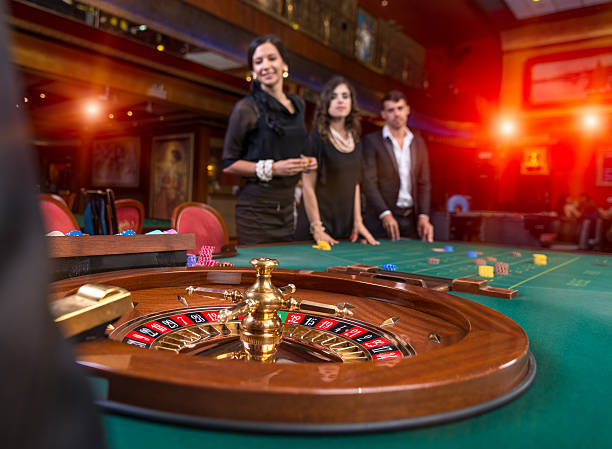
Today, gambling continues to be a significant aspect of entertainment for millions. The cultural impact of casinos and gambling practices is profound, influencing everything from films and literature to societal norms and values. The allure of the casino remains a powerful draw, symbolizing excitement, risk, and the potential for reward. As such, casinos and online gambling platforms strive to create engaging environments that cater to a wide array of preferences, ensuring that they remain relevant in a fast-paced, modern world.
Modern gaming platforms emphasize user experience, offering vibrant visuals, rapid gameplay, and diverse game selections to keep players engaged. The incorporation of gamification elements, such as rewards and loyalty programs, further enhances the appeal of online gambling. This blend of technology and entertainment has created a vibrant community of players who seek not just financial rewards but also social interactions and memorable experiences.
As gambling evolves, so too does its cultural significance. Responsible gambling initiatives are becoming integral to the conversation, emphasizing the need for players to engage with gambling in a balanced manner. With the increasing focus on sustainability and ethical practices, the future of gambling holds promising potential, paving the way for a responsible and enjoyable gaming environment that respects both tradition and innovation.