
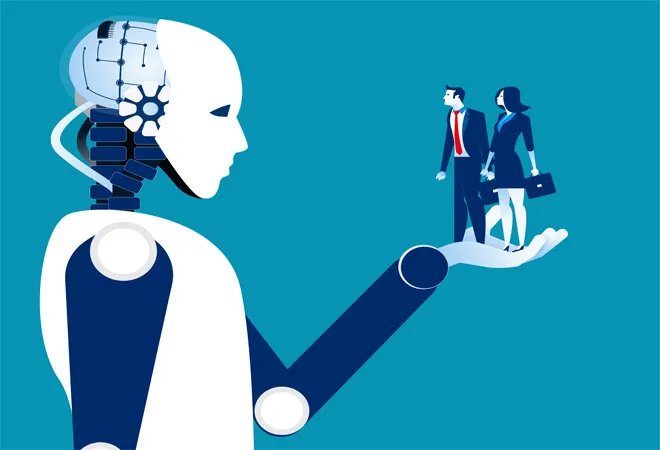
Not too long ago, the thought of computers being really smart and helping us work was like something from a futuristic story. But now, in 2023, these smart computers, known as AI, are a big part of how we work. They’re changing industries, jobs, and even how we think about work.
The Rise of AI: AI’s rise is not about replacing humans; it’s about enhancing what we do. Automation and AI are streamlining processes, eliminating repetitive tasks, and enabling us to focus on tasks that require human creativity, critical thinking, and emotional intelligence. Industries from manufacturing to customer service are witnessing this revolution firsthand.
Augmenting Human Abilities: Some people worry that AI will take away jobs, and there’s some truth to that. But if we look at the whole situation, it’s not all bad. AI is like a tool that can make us even better at what we do. It helps us avoid boring tasks and lets us focus on coming up with new ideas and solving problems. For example, AI-powered analytics can sift through vast data sets, empowering decision-makers to make informed choices swiftly.
Creating New Opportunities: As AI takes over routine tasks, it creates room for new roles and opportunities. AI developers, machine learning engineers, data scientists, and AI ethicists are positions that didn’t exist a couple of decades ago. The demand for professionals who can create, manage, and oversee AI systems is surging, offering exciting avenues for those with the right skills.
Upskilling and Reskilling: The evolving job landscape calls for adaptability. Upskilling and reskilling are pivotal strategies for staying relevant. Learning how to work alongside AI, understanding data analytics, and gaining AI implementation skills are increasingly valuable. Online courses, workshops, and educational platforms are readily available to help individuals acquire these competencies.
Ethical Considerations: As AI becomes more intertwined with our lives, ethical considerations come to the forefront. Discussions about AI bias, data privacy, and the responsible use of AI are essential. Companies and professionals need to engage in conversations about the ethical implications of AI and work toward solutions that ensure fairness and transparency.
The Human Touch: Despite AI’s capabilities, the human touch remains invaluable. Soft skills like empathy, communication, creativity, and adaptability are uniquely human qualities that AI cannot replicate. Industries that require human connection, emotional intelligence, and complex problem-solving will continue to thrive with humans at the helm.
In conclusion, the AI revolution isn’t something far away; it’s happening now. It’s a big change that needs us to learn, change, and work well with AI. AI isn’t a rival; it’s a partner that can make our work and what we can do even better. While we’re figuring this out, let’s use AI to make industries better, create new chances, and improve how we work.
Here at Firm Staffing, we want to help people find jobs and help companies find workers in this changing job world, where AI is a big deal. We’re here to help you understand these changes and find your place in the world of work with AI. Let’s welcome the future, use the tech, and build a workforce that does great things in the AI time.


